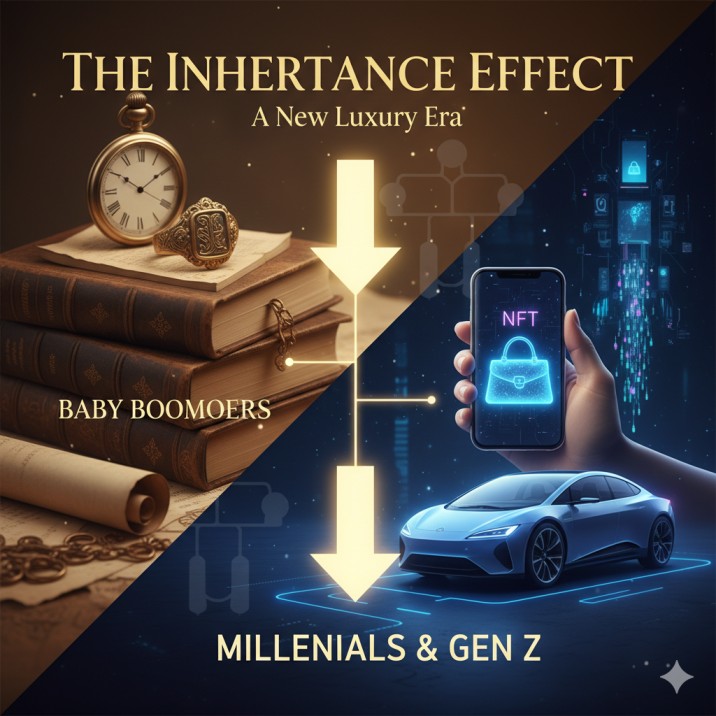
A seismic shift is happening in the world of wealth, one that is silently but surely redrawing the entire landscape of the luxury goods market. We’re in the early stages of the “Great Wealth Transfer,” a historic event projected to see trillions of dollars passed down from Baby Boomers to their Millennial and Gen Z children. This isn’t just a simple transfer of money; it’s a transfer of power, influence, and, most importantly, values.
The young heirs and heiresses stepping into this immense wealth don’t shop, think, or spend like their parents. For luxury brands that have built their empires on tradition, heritage, and a specific vision of opulence, this new generation of clientele presents both a monumental challenge and a golden opportunity. They are not just buying products; they are buying into ethics, experiences, and digital ecosystems.
This deep dive analyzes the spending habits of Millennials and Gen Z who are inheriting wealth and explores how their unique preferences are forcing a revolution in the luxury sector. For brands, understanding this shift is no longer optional—it’s essential for survival.
Meet the New Elite: Understanding the Millennial and Gen Z Inheritor
Before we can understand how luxury spending is changing, we must first understand who these new consumers are. They are the first generation of digital natives to control significant capital, and their worldview has been shaped by the internet, social consciousness, and economic uncertainty.
The Unprecedented Scale of The Great Wealth Transfer
The numbers are staggering. According to a detailed report on wealth management, an estimated $84 trillion is expected to change hands in the United States alone by 2045. A significant portion of this will land in the bank accounts of Millennials and Gen Z. This isn’t just “new money”; it’s a reinvention of what it means to be wealthy. Unlike their parents, who may have built their fortunes over decades, this new cohort is gaining financial power almost overnight, and they have a completely different playbook for how to use it.
The Mindset of the Modern Heir: Values Over Valuables
To understand the millennial vs gen z luxury spending habits, you have to look past the price tags and into their core values. While older generations may have viewed luxury as a symbol of arrival and success, younger inheritors see it as a form of self-expression and an extension of their personal brand.
- Ethical Scrutiny: This generation asks tough questions. Where was this made? What is the brand’s carbon footprint? How does it treat its workers? The importance of brand ethics for gen z luxury shoppers cannot be overstated. They will abandon a brand over a perceived ethical lapse, no matter how prestigious its name.
- Digital Integration: They were born with smartphones in their hands. They expect a seamless, personalized, and engaging digital experience, from social media discovery to the final online purchase. The influence of social media on millennial luxury purchases is a primary driver of trends.
- Authenticity and Storytelling: They crave genuine connection. They are less impressed by celebrity endorsements and more interested in the real story behind a product—the artisan who crafted it, the history of the design, and the community built around the brand.
Rewriting the Rules: How Inherited Wealth is Changing Luxury Spending
The values of these young inheritors are directly translating into new market trends that are turning the traditional luxury model on its head. Conspicuous consumption is out; conscious consumption is in.
From Logos to Legacy: The Rise of Sustainable and “Quiet Luxury”
The era of plastering oversized logos on every product is fading. Millennial and Gen Z heirs are championing a more subtle and sophisticated aesthetic often dubbed “quiet luxury.” It’s about impeccable craftsmanship, timeless design, and high-quality materials that don’t need to scream their brand name.
This trend is deeply intertwined with the growing demand for sustainable luxury goods. Young consumers are actively seeking out brands that use recycled materials, champion circular fashion models, and operate with environmental transparency. A report from McKinsey & Company highlights that a majority of Gen Z consumers state they would stop buying from a brand that didn’t meet their sustainability standards. This is why gen z prefers sustainable luxury brands—it aligns their purchasing power with their personal ethics.
The Experience Economy: Prioritizing Memories Over Material Goods
One of the most significant shifts is the move from owning things to doing things. The impact of wealth transfer on luxury travel is profound. Rather than another designer handbag, a young inheritor is more likely to spend a significant sum on a bespoke wellness retreat, front-row tickets to an exclusive concert, or a private culinary tour through Italy.
Luxury brands are responding by transforming from simple retailers into curators of exclusive experiences. This can include:
- Private, after-hours shopping events.
- VIP access to fashion shows and cultural events.
- Personalized styling sessions with top designers.
- Brand-sponsored adventures and travel packages.
The millennial demand for personalized luxury experiences shows that for this generation, the best status symbol is a life rich with unique and shareable memories.
Digital Frontiers: Gen Z’s Impact on NFTs and Virtual Luxury
For a generation that moves fluidly between the physical and digital worlds, the concept of ownership is also evolving. The gen z interest in luxury brand nfts and virtual goods is not a fleeting trend; it’s the next frontier for the luxury market. Major brands like Gucci, Balenciaga, and Louis Vuitton have already ventured into the metaverse, selling digital-only apparel and accessories for avatars.
For these digital natives, a rare virtual handbag for their online persona can be just as valuable and status-affirming as a physical one. This new market allows for infinite creativity and provides brands with a powerful new way to engage with their youngest and most tech-savvy customers, exploring how the metaverse is changing luxury retail.
Investment Over Indulgence: Luxury Goods as a New Asset Class
While they may prioritize experiences, Millennial and Gen Z inheritors are also incredibly savvy investors. They view certain luxury goods not as frivolous expenses, but as tangible assets that can appreciate over time.
Why Young Heirs See Luxury Watches and Handbags as Investments
The secondary market for high-end goods is booming, driven by this new investor mindset. The millennial investment in luxury watches from brands like Rolex, Patek Philippe, and Audemars Piguet is a prime example. These timepieces are often seen as more stable and tangible than volatile stocks. Similarly, the question of “are luxury handbags a good investment for gen z?” is increasingly being answered with a resounding “yes,” especially for iconic models like the Hermès Birkin or Chanel Classic Flap. These items often outperform traditional investment indexes, making them a smart place to park inherited capital.
The Resurgence of Vintage: Gen Z’s Passion for the Secondhand Market
The growth of the secondhand luxury market with gen z is exponential. This trend is fueled by a desire for uniqueness, sustainability, and value. Why buy a new bag that thousands of others have when you can own a vintage piece with a unique history? Platforms like The RealReal and Vestiaire Collective have become major players in the luxury ecosystem by catering to this demand. You can explore the dynamics of this market in The RealReal’s annual Luxury Resale Report. For brands, this means their products now have a second, third, and even fourth life, creating a new dynamic for brand legacy and value retention.
A New Playbook: How Luxury Brands Can Attract the Next Generation
Brands that cling to outdated marketing strategies will quickly find themselves irrelevant. To capture the attention and loyalty of Millennial and Gen Z inheritors, a radical rethinking of strategy is required.
The Critical Importance of a Flawless Digital and Social Media Strategy
A beautiful print ad in a glossy magazine is no longer enough. The new luxury consumer discovers, researches, and shops online. A brand’s social media presence is its new front door.
- Meet Them Where They Are: This means having an authentic and engaging presence on platforms like TikTok and Instagram. It’s not about hard-selling; it’s about storytelling, behind-the-scenes content, and collaborating with creators who genuinely align with the brand’s values. Learning how luxury brands can use tiktok to reach gen z is now a core marketing competency.
- Personalize the Journey: Using data to create a highly personalized online shopping experience is crucial. This includes curated recommendations, virtual try-on tools, and exclusive access to online product drops. The goal is to make the digital experience feel as special and high-touch as walking into a physical flagship store.
Authenticity is the New Currency: Building Trust with Value-Driven Consumers
This generation has a finely tuned radar for inauthenticity. Greenwashing or performative social responsibility will be called out immediately. Building trust requires radical transparency. This means being open about supply chains, admitting when mistakes are made, and taking genuine, measurable steps to improve social and environmental impact. The importance of brand ethics for gen z means that a brand’s values are just as important as the quality of its products.
Redefining Exclusivity Through Personalization and Community
Exclusivity is no longer just about a high price point; it’s about feeling part of something special. Brands are achieving this by:
- Hyper-Personalization: Offering bespoke services, monogramming, and made-to-order products that allow consumers to co-create an item that is uniquely theirs. The millennial demand for personalized luxury goods is a significant market driver.
- Building Community: Hosting exclusive events, creating private online forums, and launching members-only clubs where top clients can connect with each other and the brand on a deeper level. This strategy of creating community around a luxury brand fosters a powerful sense of belonging and loyalty that a simple transaction never could.
The Future of Luxury: Adapt or Become a Relic
The Great Wealth Transfer is more than a financial event; it’s a cultural one. It is ushering in a new era for the luxury market, one defined by purpose, technology, and a new set of values. The future of the luxury market with gen z and millennial inheritors will be dynamic, digital, and deeply personal.
The brands that will thrive are not necessarily the oldest or the most expensive, but the most agile, authentic, and attuned to the desires of this new generation. They understand that modern luxury is less about what you own and more about who you are. By embracing sustainability, investing in digital innovation, and building genuine community, they can capture the hearts and wallets of the new elite and secure their own legacy for decades to come.
Frequently Asked Questions (FAQ)
1. What is the biggest difference between millennial and Gen Z luxury spending?
While both value experiences and sustainability, Gen Z is even more digitally native and focused on social and political ethics. They are more likely to drive trends in virtual luxury and secondhand markets, while Millennials may place a slightly higher emphasis on luxury goods as long-term investments, such as watches and real estate.
2. Do Gen Z consumers care about traditional heritage luxury brands?
Yes, but not just for the name. They are interested in heritage brands that have successfully modernized their values, embraced digital channels, and can tell their historical story in a relevant, authentic way. They respect legacy but demand relevance.
3. How has the definition of luxury changed for young inheritors?
Luxury has shifted from being about overt status and exclusivity to being about craftsmanship, ethical production, personal fulfillment, and community. It’s less about “look at what I have” and more about “look at what I value and experience.”
4. What role do online influencers play in the luxury market for this generation?
A huge role, but authenticity is key. Young consumers trust individual creators and niche influencers who have genuine expertise and a point of view more than mega-celebrities. Brands are shifting to long-term partnerships with these authentic voices.
5. Are brick-and-mortar luxury stores still relevant to Gen Z?
Yes, but their role has changed. The physical store must be an “experiential hub”—a place for community events, product customization, and high-touch personal service that cannot be replicated online. It’s less a point of sale and more a point of connection.
6. What are “alternative luxury assets” that young investors are interested in?
Beyond watches and handbags, they are investing in rare sneakers, fine art, collectible cars, fine wine, and even high-end streetwear. Anything with a strong brand, limited supply, and a dedicated community of enthusiasts can be considered an alternative asset.
7. How important is brand collaboration for reaching young luxury consumers?
Extremely important. Collaborations, especially unexpected ones (e.g., a luxury fashion house with a popular streetwear brand or a gaming company), generate enormous buzz and introduce the brand to new audiences in an authentic way.
8. Why is the secondhand luxury market so appealing to Gen Z?
It appeals to them on multiple levels: sustainability (circular economy), uniqueness (finding rare pieces), value (getting luxury for less), and the “thrill of the hunt.” It’s a way to participate in luxury on their own terms.
9. How are luxury car brands adapting to attract young wealthy buyers?
They are focusing on electric vehicles (EVs), advanced in-car technology and connectivity, and offering bespoke customization options. They are also using digital channels and experiential events, like exclusive track days, to build a community around the brand.
10. What is the biggest mistake a luxury brand can make when marketing to Gen Z?
The biggest mistake is being inauthentic. This includes “greenwashing” (making false sustainability claims), using slang or memes incorrectly, or failing to take a stand on social issues that are important to this generation. They can see through corporate posturing instantly.
11. How does inheriting wealth affect the financial behavior of Millennials differently than their parents?
Millennial inheritors are often more open to risk in their investments, including alternative assets and venture capital. They are also more likely to prioritize philanthropic giving and impact investing, ensuring their wealth aligns with their social and environmental values.
12. What specific luxury categories are seeing the most growth from young inheritors?
The categories seeing explosive growth are hard luxury (watches and jewelry), luxury streetwear, experiential travel, high-end wellness services, and the entire secondhand luxury market. Digital assets and NFTs are also an emerging but rapidly growing category.