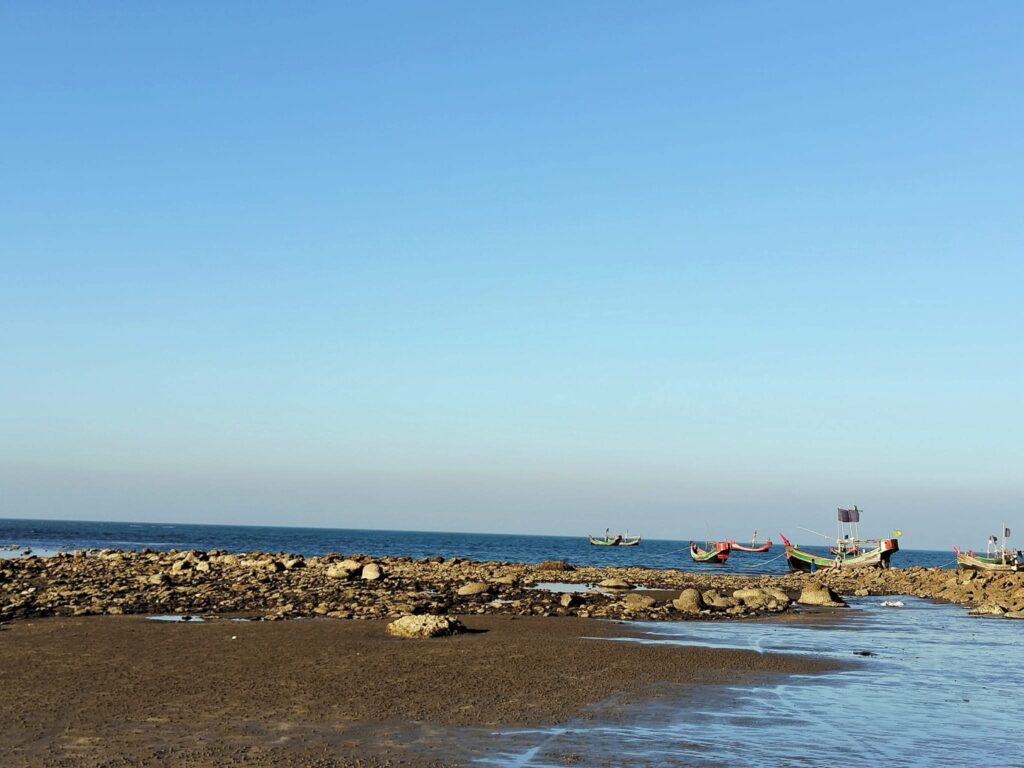
Welcome to the emerald jewel of the Bay of Bengal. Saint Martin’s Island, known locally as “Narikel Jinjira” (Coconut Island), is Bangladesh’s only coral island. It’s a place of breathtaking beauty, with turquoise waters, swaying coconut groves, and a vibrant marine ecosystem. But beyond the picture-perfect postcards lies a complex and fascinating story of economic survival, cultural resilience, geopolitical tensions, and an urgent struggle for environmental preservation.
*** A Glimpse into the Past: The History of Saint Martin Island and Economic Growth**
To understand the island’s present economic landscape, we must first look at its history. The history of Saint Martin Island and its economy are intertwined. Originally an extension of the Teknaf peninsula, it was settled by Arabian merchants and later by Bengali and Rakhine fishers. For centuries, its economy was based on subsistence fishing and coconut cultivation.
The Saint Martin Island historical trade routes, though modest, connected it to the Arakan coast (modern-day Myanmar) and the mainland port of Chittagong. This laid the groundwork for a culture of trade and exchange. However, it was the dawn of tourism in the late 20th century that dramatically reshaped its economic trajectory, moving it from a quiet fishing village to a bustling tourist hotspot.
*** The Tourism Boom: Analyzing the Impact of Tourism on Saint Martin Island Economy**
Tourism is the undisputed economic engine of Saint Martin’s Island today. The allure of its pristine beaches and unique coral ecosystem has created a seasonal gold rush, bringing both immense opportunity and significant challenges.
- Economic Benefits and Local Livelihoods
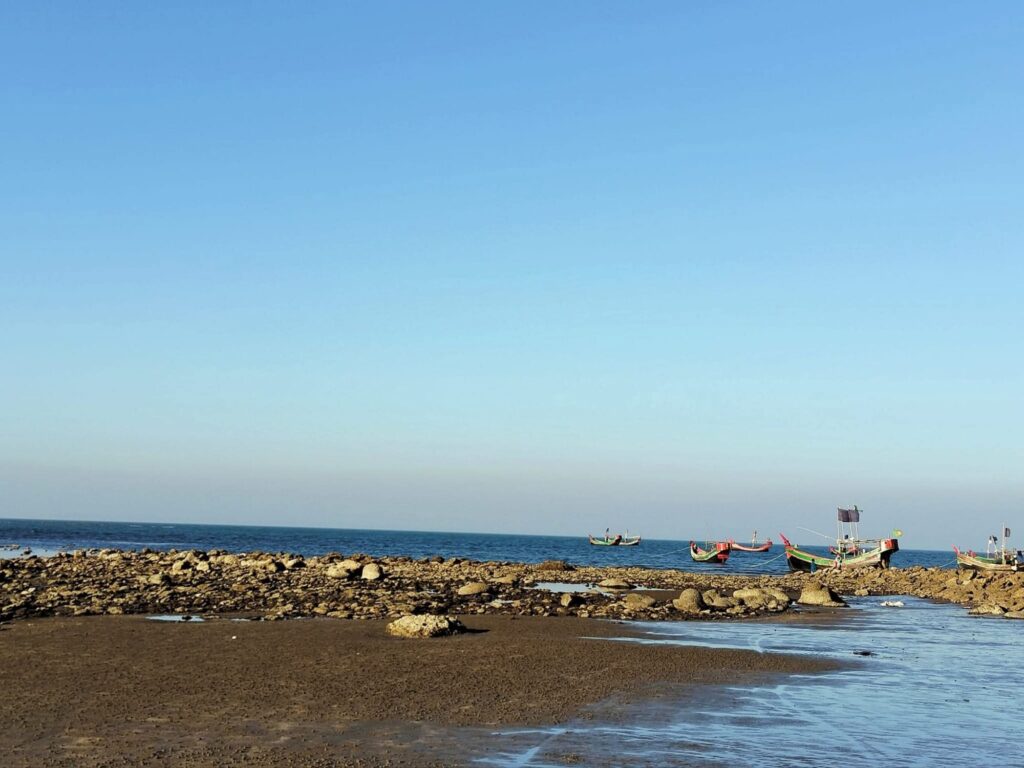
The economic benefits of Saint Martin Island tourism are undeniable. It has created thousands of jobs, from hotel staff and restaurant workers to boat operators and tour guides. The Saint Martin Island tourism employment economic impact has been transformative, offering locals an alternative to the physically demanding and often unpredictable fishing trade.
This boom has led to a surge in Saint Martin Island tourism and local business growth. Small shops, cafes, and the economic role of homestays in Saint Martin tourism have provided new income streams, directly impacting the quality of life for many islanders. The effect of tourism on local livelihoods Saint Martin is visible in improved housing, better access to goods, and increased household incomes during the peak season.
- The Challenge of Seasonality and Infrastructure
However, this economic reliance is a double-edged sword. The Saint Martin Island tourism season economic effect creates a boom-and-bust cycle. From November to March, the island is bustling, but during the monsoon season, tourism grinds to a halt, leaving many without a steady income. These seasonal tourism economic fluctuations Saint Martin Island pose a significant challenge to long-term financial stability.
Furthermore, rapid and often unplanned tourism infrastructure development Saint Martin Island has put immense strain on the island’s fragile environment. The economic impact of tourism pollution Saint Martin Island, from plastic waste to untreated sewage, is a growing crisis that threatens the very beauty that attracts tourists.
- The Path Forward: Sustainable and Community-Based Tourism
The future lies in a more responsible approach. There is immense ecotourism potential of Saint Martin Island Bangladesh. Promoting models like community-based tourism economic growth Saint Martin can ensure that revenue is distributed more equitably and that locals have a greater stake in preserving their environment. The economic benefits of island eco-lodges Saint Martin tourism and promoting eco-friendly tourism economic potential Saint Martin are key strategies for a sustainable future. The goal is to balance the rising tourism and economic sustainability Saint Martin Island before irreversible damage is done.
*** The Traditional Backbone: The Role of Fishing in Saint Martin Island Economy**
Long before the first tourist hotel was built, fishing was the island’s lifeblood. The fishing industry economic contribution Saint Martin remains a cornerstone of the local economy, providing food security and employment for a significant portion of the population.
- The Fishing Community and Local Markets
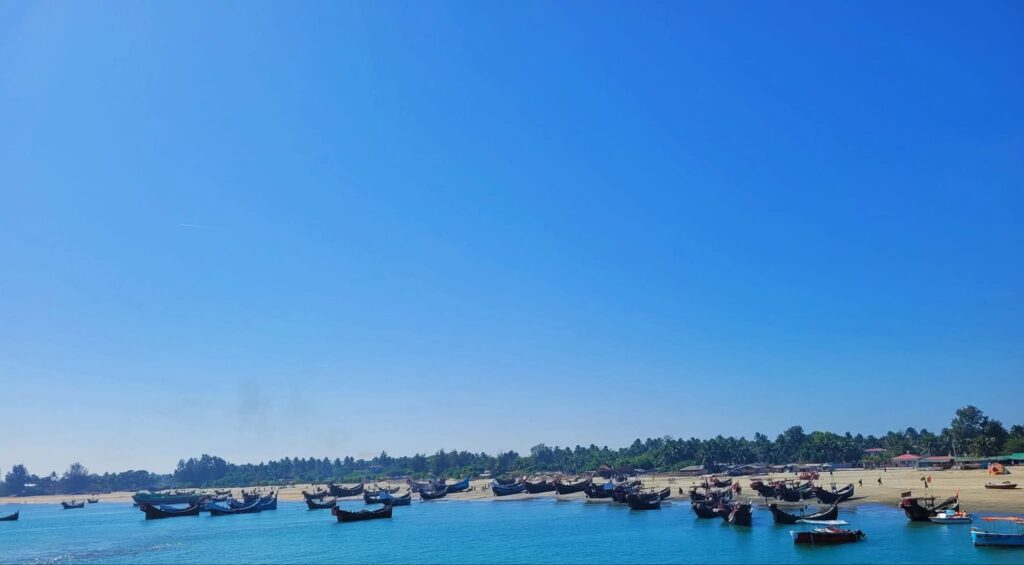
The fishing community economic status Saint Martin Island is deeply connected to the health of the Bay of Bengal. Small-scale, artisanal fishing is the norm, with fishermen using traditional boats and nets. Their daily catch supplies the vibrant role of local fish markets in Saint Martin economy, which are a hub of activity and a key part of the island’s supply chain. These markets are also a major attraction for tourists, creating a direct link between the two sectors, as seen in the Saint Martin Island tourism impact on local fish markets.
- Threats of Overfishing and the Need for Sustainability
The industry faces serious threats. The economic consequences of overfishing Saint Martin Island are already being felt, with declining fish stocks forcing fishermen to travel further out to sea. The economic consequences of illegal fishing Saint Martin Island, often by foreign trawlers, further deplete resources and undermine local livelihoods.
Achieving fishery sustainability and economic impact Saint Martin requires a concerted effort. Implementing and enforcing sustainable fishing practices’ economic benefits Saint Martin—such as gear restrictions, catch limits, and no-take zones—are crucial for allowing fish populations to recover. This will not only secure the future of the fishing community but also protect the marine biodiversity economic value Saint Martin Island.
*** Trade, Tensions, and Geopolitics: The Myanmar Connection**
Saint Martin’s unique location places it at the crossroads of regional trade and geopolitical conflict. Its relationship with neighboring Myanmar is a complex mix of economic interdependence and political tension.
- A History of Cross-Border Exchange
Historically, there has been a steady flow of goods between the island and Myanmar. The Saint Martin Island trade with Myanmar impact has been significant, with islanders relying on this route for certain consumer goods, fish, and other essentials. This informal cross-border trade impact on Saint Martin Island economy has provided a vital economic lifeline for decades.
- The Conflict Impact on Trade in Saint Martin Island
However, the ongoing political instability and conflict in Myanmar’s Rakhine State have cast a long shadow. The influence of Myanmar conflict on island trade Bangladesh has led to disruptions, increased security risks, and unpredictable market conditions. Recent clashes and naval tensions have made the waters unsafe, directly impacting both fishermen and traders. The economic effects of Myanmar border conflict on island life are profound, affecting commodity prices and the safety of those whose livelihoods depend on the sea.
This situation highlights the vulnerability of the island’s economy to external shocks and the complex interplay between geopolitics and local commerce.
*** Culture, Cuisine, and Crafts: The Soul of the Island’s Economy**
The island’s economy is not just about tourism and fishing; it’s also deeply rooted in its unique culture and culinary traditions.
- Preserving Culture Amidst the Tourist Wave
The cultural influence of tourism on Saint Martin Island is a delicate issue. While tourism provides opportunities to showcase local traditions, it also risks commercializing them. Efforts focused on local culture preservation through tourism Saint Martin are vital. This includes promoting authentic cultural experiences and ensuring that the role of indigenous culture in Saint Martin tourism economy is respectful and empowering. The economic benefits of preserving cultural heritage Saint Martin include creating a more unique and valuable tourist destination.
- The Economic Power of Food Tourism
Saint Martin’s is a seafood lover’s paradise. The food tourism impact on island economy Saint Martin is immense. Freshly caught fish, lobster, and crab, cooked in local styles, are a major draw. The seafood cuisine tourism economic impact Saint Martin is a perfect example of how the fishing and tourism sectors are integrated. The economic impact of local culinary tourism Saint Martin Island supports fishermen, restaurant owners, and local markets, creating a delicious and profitable value chain.
*** Your Essential Saint Martin Island Travel and Economic Sustainability Guide**
Planning a trip to Saint Martin’s? Traveling responsibly is key to supporting its economy and protecting its environment. Here is a Saint Martin Island travel guide with economic tips for the conscious traveler.
- Getting There and Around: Travel to the island is typically by ferry from Teknaf. The Saint Martin Island transportation economic impact is significant, supporting a whole industry of boat operators. Once on the island, walking or hiring a non-motorized van is the best way to get around, minimizing your carbon footprint.
- Where to Stay: Choose locally-owned guesthouses or homestays. This ensures your money directly supports island families.
- What to Eat: Dine at the small, family-run restaurants. This is where you’ll find the most authentic and fresh seafood, and your spending directly boosts the role of local fish markets in Saint Martin economy.
- Responsible Tourism:
- Do not leave any plastic behind. Carry your waste back to the mainland if possible.
- Do not touch or walk on the corals. The economic impact of coral reef degradation Saint Martin is devastating, as it destroys the marine life that both fish and tourists depend on.
- Buy local. Support the island’s economy by purchasing handicrafts and products from local vendors.
*** The Environmental Crisis: Where Economy and Ecology Collide**
The single greatest threat to Saint Martin’s long-term economic future is the environmental crisis it faces. The environment and economic sustainability Saint Martin are two sides of the same coin.
The coral reef tourism economic contributions Saint Martin Island are massive, but the reefs are dying due to pollution, climate change, and irresponsible tourism. The economic challenges in maintaining Saint Martin Island ecology are huge. Without healthy corals, the fish populations will collapse, and the tourists will disappear. The impact of climate change on Saint Martin Island economy, through sea-level rise and increased storm intensity, poses an existential threat.
Urgent action is needed to protect this fragile paradise. You can learn more about marine conservation efforts in the region through organizations like the IUCN (International Union for Conservation of Nature).
*** Conclusion: A Fragile Paradise at a Crossroads**
Saint Martin’s Island is a place of immense natural beauty and economic vitality. Its story is one of a community navigating the powerful forces of tourism, traditional livelihoods, and regional geopolitics. From the history of its cultural economy to the modern-day tourism development challenges on Saint Martin Island, its journey is a powerful case study in the complexities of small island economies.
The future of Saint Martin’s hinges on finding a sustainable balance. It requires a vision where the economic benefits of Saint Martin Island tourism do not come at the cost of its ecological soul. It needs a future where the fishing community can thrive, the culture is celebrated, and the precious coral reefs are protected for generations to come. As visitors, we have a role to play in that future.
For official travel information, always consult the Bangladesh Parjatan Corporation website.
*** Frequently Asked Questions (FAQ) about Saint Martin’s Island**
- 1. What is the main source of Saint Martin Island’s economy?
The main economic driver is tourism, which has largely surpassed fishing as the primary source of income for most islanders. The economic analysis of Saint Martin tourism sector shows it’s responsible for the majority of seasonal employment and business activity. - 2. Is it safe to travel to Saint Martin’s Island, considering the conflict in Myanmar?
Generally, yes. The island itself is safe for tourists. However, the influence of Myanmar conflict on island tourism economy is mostly felt by local fishermen and traders who operate in the waters near the maritime border. Tourist ferries operate on a secure route, but it’s always wise to check for the latest travel advisories before your trip. - 3. What is the best time to visit?
The best time to visit is during the tourist season, from early November to late March. The weather is dry and pleasant, and the sea is calm, allowing ferries to operate safely. - 4. How does the fishing industry contribute to the economy?
The fishing industry’s economic contribution Saint Martin is twofold: it ensures food security for the local population and supplies the island’s restaurants with the fresh seafood that is a major draw for tourists, directly fueling the seafood cuisine tourism economic impact. - 5. What are the major environmental threats to the island?
The main threats are plastic pollution from tourism, the degradation of coral reefs due to human activity and climate change, and coastal erosion. The economic impact of coral reef degradation Saint Martin is particularly severe, as it threatens both the fishing and tourism industries. - 6. How can I be a responsible tourist on the island?
You can be a responsible tourist by minimizing your plastic use, not touching or taking corals, staying in locally-owned accommodations, eating at local restaurants, and respecting the local culture and environment. - 7. What local food should I absolutely try?
You must try the fresh seafood, especially grilled lobster, pomfret, and coral fish. Also, try the local “khichuri” and the sweet, tender coconut water. The island food tourism economic impact Bangladesh Saint Martin is a highlight of any visit. - 8. How do I get to Saint Martin’s Island?
You need to travel to Teknaf, the southernmost point of mainland Bangladesh, and then take a ferry or ship to the island. The journey takes about 2 to 3 hours. - 9. What is the currency used on the island?
The currency is the Bangladeshi Taka (BDT). It’s advisable to carry enough cash, as there are no ATMs on the island. - 10. Are there any restrictions on visiting the island?
Yes, to curb environmental damage, the government sometimes imposes restrictions, such as limiting the number of daily visitors or banning overnight stays. Always check the latest regulations before planning your trip. The economic impact of travel restrictions on Saint Martin Island is a contentious issue, balancing conservation with livelihoods. - 11. How does trade with Myanmar work?
Most trade is informal, conducted by small boats exchanging goods like consumer products, dry fish, and wood. This Saint Martin Island trade with Myanmar impact is crucial for the local supply of certain items but is often disrupted by border tensions. - 12. What is being done to protect the island’s coral reefs?
Various governmental and non-governmental organizations are working on awareness campaigns, waste management projects, and advocating for the establishment of a Marine Protected Area (MPA). The coral conservation and economic impact Saint Martin Island are directly linked, as protecting the reef is essential for a sustainable tourism future.