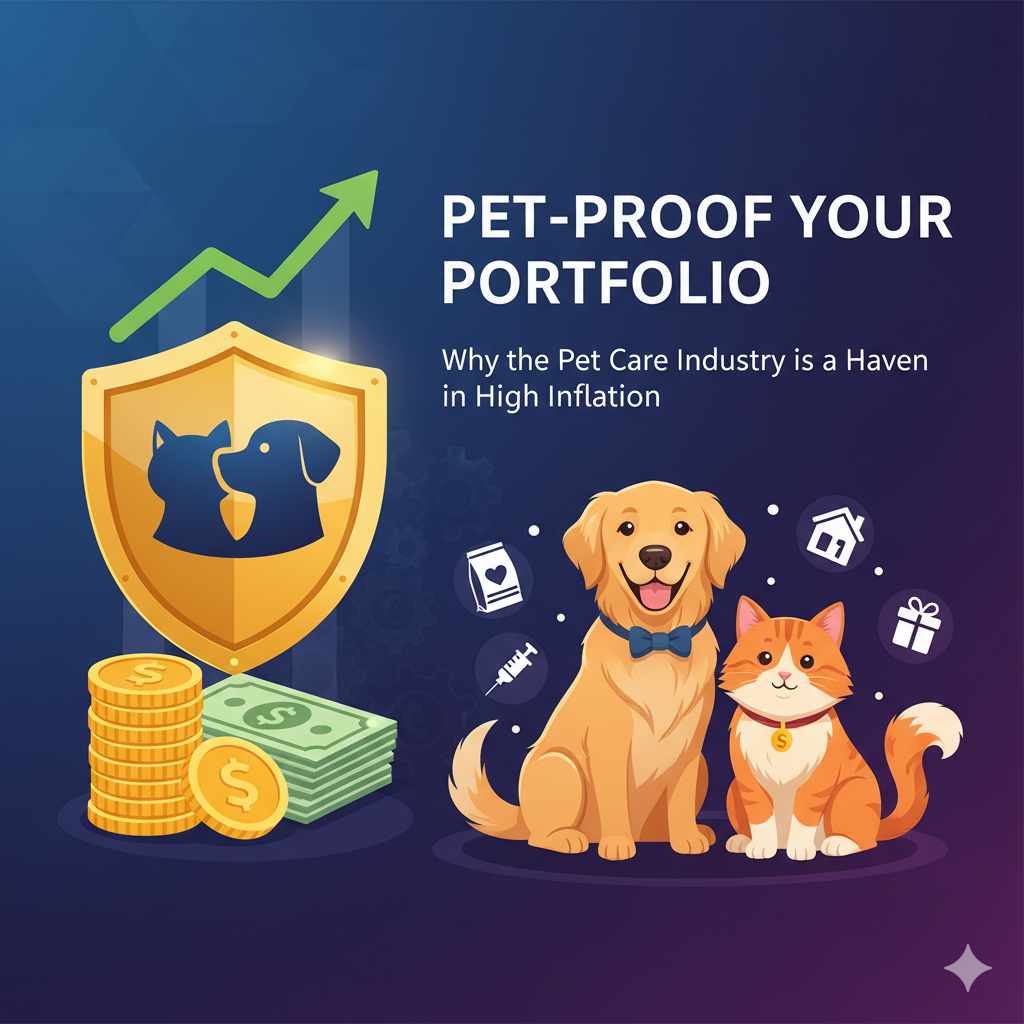
As the price of groceries, gas, and housing continues to climb, households across the country are making tough decisions. They’re cutting back on vacations, delaying big purchases, and looking for savings wherever they can. Yet, in the face of this widespread economic belt-tightening, one industry seems to be not just surviving, but thriving. That industry is all about our furry, feathered, and scaled family members.
It’s a fascinating paradox: while people cut back on their own discretionary spending, the budget for their pets often remains untouched, or even grows. From premium, grain-free dog food to comprehensive pet insurance and advanced veterinary treatments, spending on our companions is proving to be remarkably resilient. This isn’t just an emotional trend; it’s a powerful economic force.
This deep dive will analyze how the pet care industry is resisting inflation and why it has become a uniquely stable and recession-proof sector. We’ll explore the deep psychological drivers behind this spending, examine which market segments are booming, and uncover why this industry represents one of the most compelling investment opportunities in today’s volatile economic landscape.
The Surprising Truth: Why Pet Spending Doesn’t Decrease During Economic Hardship
At first glance, it seems counterintuitive. In tough times, shouldn’t things like gourmet pet treats and orthopedic dog beds be the first things to go? The data tells a different story. The pet industry has shown consistent growth through multiple economic downturns, and the current inflationary period is no exception. Let’s break down the core reasons behind this incredible resilience.
A Look at Pet Care Industry Growth Statistics During Inflation
Year after year, the numbers are staggering. According to the American Pet Products Association (APPA), Americans continue to spend record amounts on their pets. Even as inflation hit multi-decade highs, overall spending in the pet market continued its upward trajectory. This isn’t a new phenomenon. During the 2008 financial crisis, pet spending was one of the very few consumer categories that actually grew.
This tells us that for a huge portion of the population, pet-related expenses are not viewed as “discretionary.” They fall into the same essential category as groceries and utilities. This shift in perception is the bedrock of the industry’s strength.
The Emotional Bond: How Pet Humanization Drives Non-Discretionary Spending
The single most important factor powering the inflation-proof nature of the pet industry is pet humanization. Simply put, more and more people view their pets not just as animals, but as integral members of the family. They are our “fur babies,” our children, our most loyal companions.
When you see your dog or cat as a child, your spending decisions fundamentally change. You don’t look for the cheapest possible food; you look for the one that promises better health and a longer life. You don’t skip a vet visit to save money; you view it as essential healthcare. This emotional bond transforms discretionary spending into a non-negotiable emotional and moral necessity. This deep connection ensures that pets are often the last to feel the effects of a budget cut, if they feel them at all.
Shifting Demographics: The Role of Millennial and Gen Z Pet Owners
The trend of pet humanization is being supercharged by younger generations. Millennials and Gen Z are now the largest pet-owning demographic, and their approach to pet care is different from that of their parents. Having delayed traditional life milestones like marriage and homeownership, many have poured their financial and emotional resources into their pets.
For these generations, spending on high-quality products and wellness services for their pets is a reflection of their own values. They are digital natives who research pet nutrition online, seek out brands with sustainable practices, and are more than willing to pay a premium for products that align with their lifestyle. As their purchasing power continues to grow, these millennial pet spending habits will continue to fuel the industry’s premium segments for decades to come.
Premiumization Prevails: Analyzing Consumer Spending on High-End Pet Products
One of the most telling signs of the pet industry’s strength is the “premiumization” trend. Even with rising costs, owners are not trading down to cheaper alternatives. Instead, they are doubling down on high-quality, specialized products that promise better health outcomes for their beloved animals.
Why Demand for Premium Organic Pet Food Remains High
The pet food aisle has transformed. It’s no longer just a choice between kibble and canned food. Today, you’ll find options that mirror the top trends in human nutrition: organic, grain-free, human-grade, limited-ingredient, and fresh-frozen.
Despite these products carrying a significantly higher price tag, their sales continue to soar. Why? Because educated consumers draw a direct line between diet and health. They believe that investing in high-quality, nutrient-rich pet food can prevent costly health problems down the road. It’s a “spend now to save later” mentality, driven by the desire to give their pets the longest, healthiest life possible. This makes the premium pet food market one of the most stable segments in the entire consumer goods landscape.
The Rise of Pet Wellness Trends and Supplements
The focus on proactive health has moved beyond the food bowl. The market for pet supplements has exploded, with products targeting everything from joint health (CBD and glucosamine) to anxiety relief and digestive support (probiotics).
This trend runs parallel to the human wellness movement. Just as we take vitamins and supplements to optimize our own health, we now do the same for our pets. This sector is particularly resistant to inflation because it’s tied to health and preventative care. An owner dealing with an aging dog’s arthritis is unlikely to stop buying a supplement that clearly provides relief, regardless of a small price increase.
Are Pet Care Subscription Box Services Inflation-Proof?
Services like BarkBox and Chewy’s Autoship have brilliantly tapped into the modern consumer’s love for convenience and personalization. These subscription models create a recurring revenue stream that is incredibly sticky.
While a box of toys and treats might seem discretionary, these companies have woven themselves into the fabric of the pet-owner relationship. The monthly box is an anticipated event, a source of joy for both pet and owner. Furthermore, services like Chewy’s Autoship for pet food and medication turn essential purchases into an automated, reliable delivery. This convenience factor, combined with the emotional appeal, makes customers highly reluctant to cancel their subscriptions, even when budgets are tight.
The Non-Negotiables: How Pet Healthcare Services Defy Economic Downturns
If premium food is a priority, then healthcare is an absolute necessity. The pet healthcare sector, from routine check-ups to emergency surgeries, is perhaps the most recession-proof segment of the entire industry.
Understanding the Stable Demand for Veterinary Care Services
A sick or injured pet requires immediate care. This is not a purchase that can be delayed or avoided. The emotional distress of seeing a pet in pain will compel an owner to seek veterinary care, making the cost a secondary concern.
While owners may grumble about the impact of inflation on vet visit costs, they ultimately pay the bill. Veterinary practices are seeing sustained demand for a wide range of services, including diagnostics, dental cleanings, and chronic disease management. This stable and predictable demand makes veterinary services a cornerstone of the pet economy’s resilience. For more on this, a recent report from the American Veterinary Medical Association provides deep insights into current trends in [suspicious link removed].
Are Pet Insurance Sales Increasing with Rising Vet Costs?
One of the fastest-growing areas in pet care is pet insurance. As veterinary technology advances, the cost of treatment has risen dramatically. A single emergency or complex surgery can easily run into the thousands of dollars.
Pet insurance offers a solution, allowing owners to budget for unexpected medical crises. As awareness of high vet costs grows, more and more owners are viewing insurance as a necessary monthly expense rather than a luxury. This provides peace of mind and ensures they can always make decisions based on their pet’s health needs, not their bank account. The growth of the pet insurance market is a direct response to rising costs and the desire to protect both their pet and their finances.
The Growth of Specialized Pet Health Services like Dentistry and Therapy
The humanization trend extends deep into the medical field. Services that were once rare are now becoming commonplace. This includes specialized care like animal dermatology, oncology, cardiology, and even physical therapy.
Furthermore, preventative services like professional pet dental cleanings are on the rise as owners understand the link between oral hygiene and overall health. This expansion into specialized and preventative care adds more layers of non-discretionary spending to the pet healthcare market, further cementing its stability.
An Investor’s Guide: Why the Pet Economy is a Smart Bet in 2025
Given the powerful emotional and economic forces at play, it’s no surprise that the pet care industry is attracting significant attention from investors. Its unique combination of stable demand, premium pricing power, and long-term growth trends makes it a compelling choice in an uncertain market.
Long-Term Investment Outlook for the Pet Care Sector
The future looks incredibly bright. The demographic trends with Millennials and Gen Z are set to continue for decades. The humanization of pets is a cultural shift that is not going to reverse. Furthermore, scientific and technological advancements will continue to create new product and service categories, from personalized nutrition based on DNA testing to advanced wearable health monitors for pets.
This creates a powerful, long-term tailwind for the entire industry. Unlike fad-driven markets, the fundamental drivers of the pet economy are stable and deeply ingrained in our culture, making the long-term investment outlook for the pet care sector exceptionally positive. As detailed by financial analysts at sources like Forbes, industries that cater to non-discretionary needs tend to perform well during economic uncertainty.
Analyzing Top Pet Industry Stocks and Their Performance
Publicly traded companies in the pet space offer a direct way to invest in these trends. Companies fall into several categories:
- Retail & E-commerce: Companies like Chewy (CHWY) have shown incredible resilience due to their subscription-based model and vast selection. Brick-and-mortar stores like Petco (WOOF) are transforming into holistic health and wellness centers.
- Pharmaceuticals & Diagnostics: Companies like Zoetis (ZTS) and Idexx Laboratories (IDXX) are leaders in animal health. They benefit directly from the non-discretionary nature of veterinary care and are constantly innovating with new medicines and diagnostic tools.
When analyzing pet industry stocks, investors should look for companies with strong brand loyalty, recurring revenue models, and a focus on the high-growth areas of wellness and healthcare.
Future Forecast: What’s Next for the Pet Care Market Post-Inflation?
Looking ahead, we can expect the key trends to continue and accelerate. Personalization will become even more important, with products and services tailored to a pet’s specific breed, age, and health needs. Technology will become more integrated into pet care through smart feeders, activity trackers, and telehealth services.
Even if inflation subsides, the spending habits formed during this period are likely to stick. Owners who have upgraded to premium food or invested in pet insurance are unlikely to downgrade. The market has established a new, higher baseline, setting the stage for the next phase of growth in a post-inflationary environment.
Frequently Asked Questions (FAQ)
1. Why is the pet care market considered inflation resistant?
The market is inflation-resistant primarily due to the “pet humanization” trend, where owners view their pets as family members. This transforms spending on food, wellness, and healthcare from discretionary to non-negotiable, essential expenses.
2. How does consumer spending on pet food change during a recession?
Historically, overall spending on pet food remains stable or even increases during a recession. Instead of trading down to cheaper brands, many consumers continue to buy premium, organic, and specialized foods, prioritizing their pet’s long-term health.
3. Is investing in pet industry stocks a good idea right now?
Many financial analysts consider the pet industry a strong defensive investment. Companies in pet healthcare, pharmaceuticals, and e-commerce often have stable, recurring revenue streams that are less affected by economic downturns, making them attractive in a volatile market.
4. What is the fastest-growing segment in the pet care industry?
Pet healthcare, including veterinary services, pharmaceuticals, and especially pet insurance, is one of the fastest-growing segments. This is driven by advancing medical technology and owners’ willingness to spend on their pet’s health and well-being.
5. How do Millennial and Gen Z spending habits impact the pet market?
As the largest pet-owning demographic, Millennials and Gen Z drive the premiumization trend. They are more likely to spend on high-end products, wellness services, and brands that align with their values, such as sustainability and organic ingredients.
6. Will rising vet costs cause people to stop going to the vet?
While owners are concerned about rising costs, the essential nature of veterinary care means demand remains very stable. Instead of skipping visits, many owners are turning to solutions like pet insurance to manage the costs.
7. Are luxury pet services like grooming and boarding recession-proof?
While some high-end services may see a slight dip, core services like basic grooming (which is tied to health) and boarding (which is necessary for travel) show strong resilience. Many owners consider these services part of their pet’s essential care routine.
8. How has e-commerce affected the pet care industry’s resilience?
E-commerce, particularly subscription models like Chewy’s Autoship, has made the industry more resilient. It creates predictable, recurring revenue and builds strong customer loyalty through convenience, making it less likely for customers to cut back.
9. What are the key pet wellness trends driving growth?
Key wellness trends include the rise of pet supplements (for joints, anxiety, etc.), a focus on preventative care like dental cleanings, and an increased demand for high-quality, specialized diets that target specific health issues.
10. Does the pet industry’s growth depend on the number of pets?
While the growing number of pet households is a factor, the industry’s primary growth driver is the increase in spending per pet. Owners are spending more on each animal for better food, more frequent vet visits, and a wider range of wellness products and services.
11. Is the demand for organic pet food a fad or a long-term trend?
All evidence points to it being a long-term trend. It directly mirrors the human health and wellness movement, and as long as owners view their pets as family, they will continue to seek out food options they perceive as healthier and safer.
12. What is the future outlook for the pet care market?
The future outlook is extremely positive. The powerful, emotionally-driven trends of pet humanization and wellness, combined with demographic shifts and technological innovation, are expected to fuel continued growth for the foreseeable future, regardless of the broader economic climate.